Launching a licensed game in a new market is mostly about three things: speaking your players' language properly, getting the store listings and ratings right for that market, and respecting local rules on privacy, children and promotions. The game itself already works. Your job is to make it feel local and stay compliant.
Publishers often underestimate this part because the hard work of making the game fun is done. But a clumsy translation, a store listing written for another country or a missed privacy rule can sink a launch that should have been easy.
This guide covers the practical steps, in the order you will meet them.
Start with the market, not the game
Before touching any translation, get clear on who you are launching for:
- Languages players actually use. Some markets mix two or more languages in daily life. Players may prefer menus in one and commentary in another.
- Devices. Check which phones are common, including older or lower-memory models, and how many people play in a browser.
- Connection quality. If mobile data is patchy, offline modes and small downloads matter.
- Payment habits. If your version will have optional paid extras, check which payment methods players use. Many markets lean on local wallets or carrier billing.
- What players already love. A licensed Ludo game lands differently where Ludo is a family tradition than where it is a novelty.
This research shapes every decision after it. A game planned with its market in mind, down to the languages on every screen, feels natural to its players from the first tap.
Translate properly, not literally
Good localization is more than swapping words:
- Translate in context. Translators need screenshots, not a spreadsheet of strings. "Play" on a button and "play" in a sentence can need different words.
- Watch text length. Some languages run much longer than English. Buttons overflow, menus wrap and layouts break.
- Check fonts and scripts. Your fonts must render every character correctly, including accents and non-Latin scripts.
- Mind right-to-left languages. These need mirrored layouts, not just translated text.
- Adapt tone and humour. Jokes, slang and game terms often do not carry over. Use local players to review.
- Localize numbers, dates and currency formats wherever they appear.
Then test every screen in every language on real phones. This is where most localization bugs are found.
Voice and commentary
If your game speaks, voice is its own project:
- Record new voice lines with native speakers, not machine output.
- Keep the same timing as the original so lines match animations.
- For sports games, commentary needs local terms for the sport, not literal translations.
- Balance the new audio against music and effects so it sits right in the mix.
Our art and sound page shows the kind of audio work that goes into a game players believe.
Store listings for the new market
Each store page should be written for the market, not translated from another one:
- Title and subtitle in the local language, within store character limits.
- Description that leads with what local players care about.
- Keywords based on what people in that market actually search for, which may differ from a direct translation.
- Screenshots taken from the localized game, with captions in the local language.
- Category that matches how local players browse.
If you are publishing on your own App Store and Google Play accounts, make sure the right legal entity, contact details and support address are set for that market. Our guide on publishing on the App Store and Google Play covers the general process.
Local rules to check
Rules differ by country, and they change. Treat this list as a starting point, and confirm the details with local legal advice:
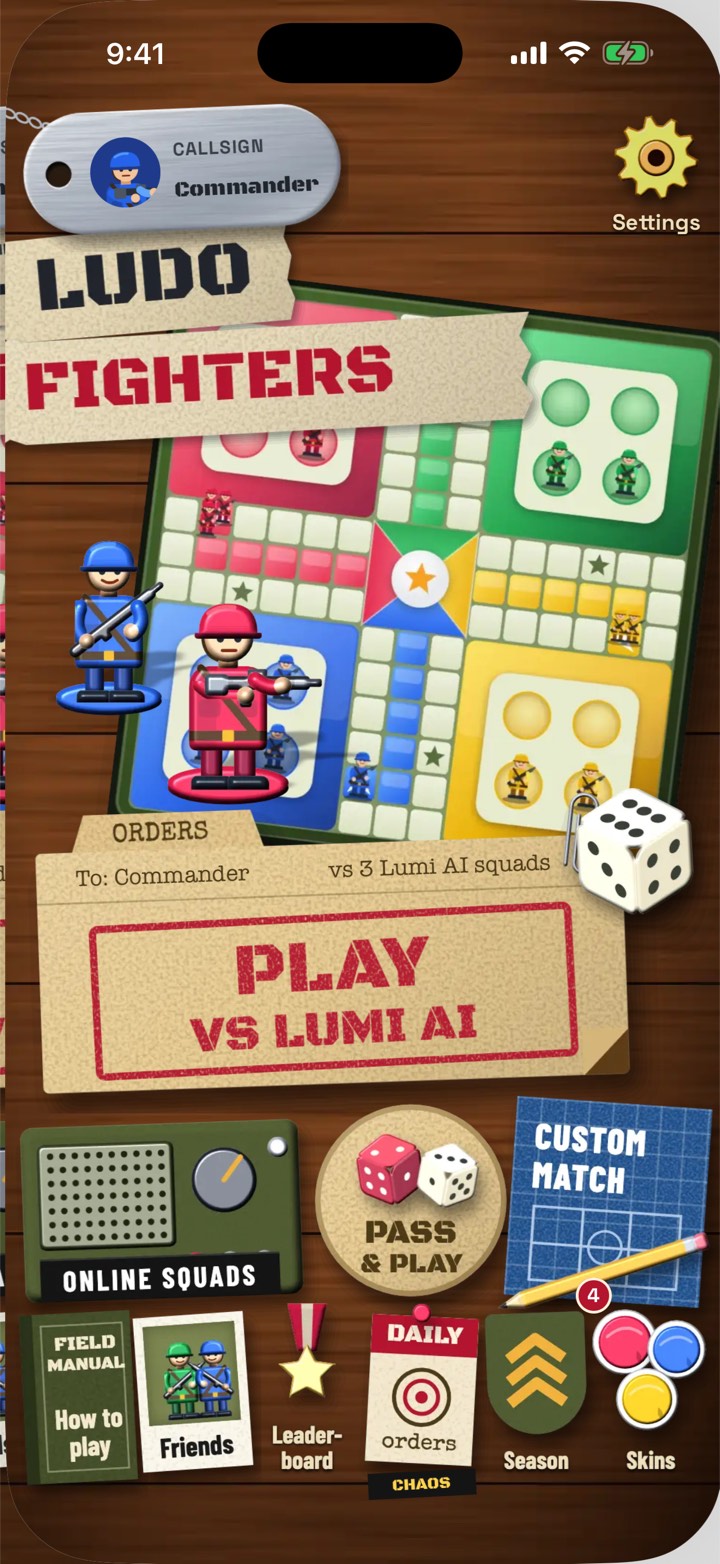
- Age ratings. Stores ask questions that set your rating, and some regions use their own rating systems. Cartoon combat with no blood, as in Ludo Fighters, is rated differently from realistic violence.
- Privacy and data. Many regions have data protection laws in the spirit of GDPR. Check consent, data storage location and how players can delete their data.
- Children. If children may play, stricter rules apply, similar to COPPA in the United States. See our children's page for how we approach this.
- Prizes and promotions. Contests, giveaways and prize draws are regulated in many markets. Keep anything with real prizes clear of gambling mechanics.
- Payments and refunds. If your version has optional paid extras, check local consumer rules on pricing display and refunds.
- Content. Some symbols, maps, gestures or themes are sensitive in certain markets. A local review catches these early.
Servers, support and fair play
A new market can bring new technical needs:
- Server location. Online games feel better when servers are reasonably close to players. Ask your studio how they handle this.
- Fair play. Online results should be decided on the server, not on the player's phone, everywhere you launch. See our fair play page.
- Moderation. If players can chat or name themselves, you need moderation that understands the local language.
- Support. Players will write in their own language. Plan who answers.
- Admin access. Your local team should be able to see players, handle reports and change live settings in the admin dashboard.
A simple launch checklist
- Market research done: languages, devices, connections, payments
- Every screen translated in context and tested on real phones
- Voice recorded and mixed, if used
- Store listings written for the market, with local screenshots
- Age rating, privacy and children's rules checked
- Promotion and prize rules checked, if relevant
- Server, moderation and support plans in place
- A soft launch or limited release to catch surprises before a full launch
A soft launch is worth it. A small release lets you see real behaviour and fix problems while the audience is still small.
Bringing a LacNova game to your market
Every LacNova game is ours, so we can license it to publishers bringing a proven game to a new market. We re-skin, rename and translate the game, test it on real phones and prepare store listings for your accounts. We can host the servers or hand them over. Read more on our publishers page, or ask about licensing for your market.
Frequently asked questions
How many languages should a licensed game launch with?
Launch with the languages your players use most, often one or two. You can add more later through updates once you see where players come from.
Do I need a local company to publish in a new market?
It depends on the market and the stores. Some publishers use their existing accounts and others set up local entities, so check store requirements and local law.
Can a licensed game keep its original name in a new market?
It can, but many publishers rename it so it sounds natural locally and fits their brand. The name should be checked for meaning and trademark conflicts in the new market.
What is a soft launch?
A soft launch is a limited release in one market or to a small audience before the full launch, so you can find and fix problems while stakes are low.