At LacNova, every game goes through the same five steps: brief, playable prototype, build, launch, then run and grow. Each step needs the one before it, and each one ends with something you can see or play, not just a document.
We make our own games, license them, and build custom games for brands, schools, leagues, apps and publishers. Whether the game is ours or yours, the process is the same, because it is the process that produced the games we ship.
Here is what actually happens at each step, and the habits that hold it together.
Everything is made in-house
Before the steps, one principle. We design the rules, draw the art, make the sound, build the online server and write the admin dashboard ourselves. Nothing important is handed to a stock pack or a template.
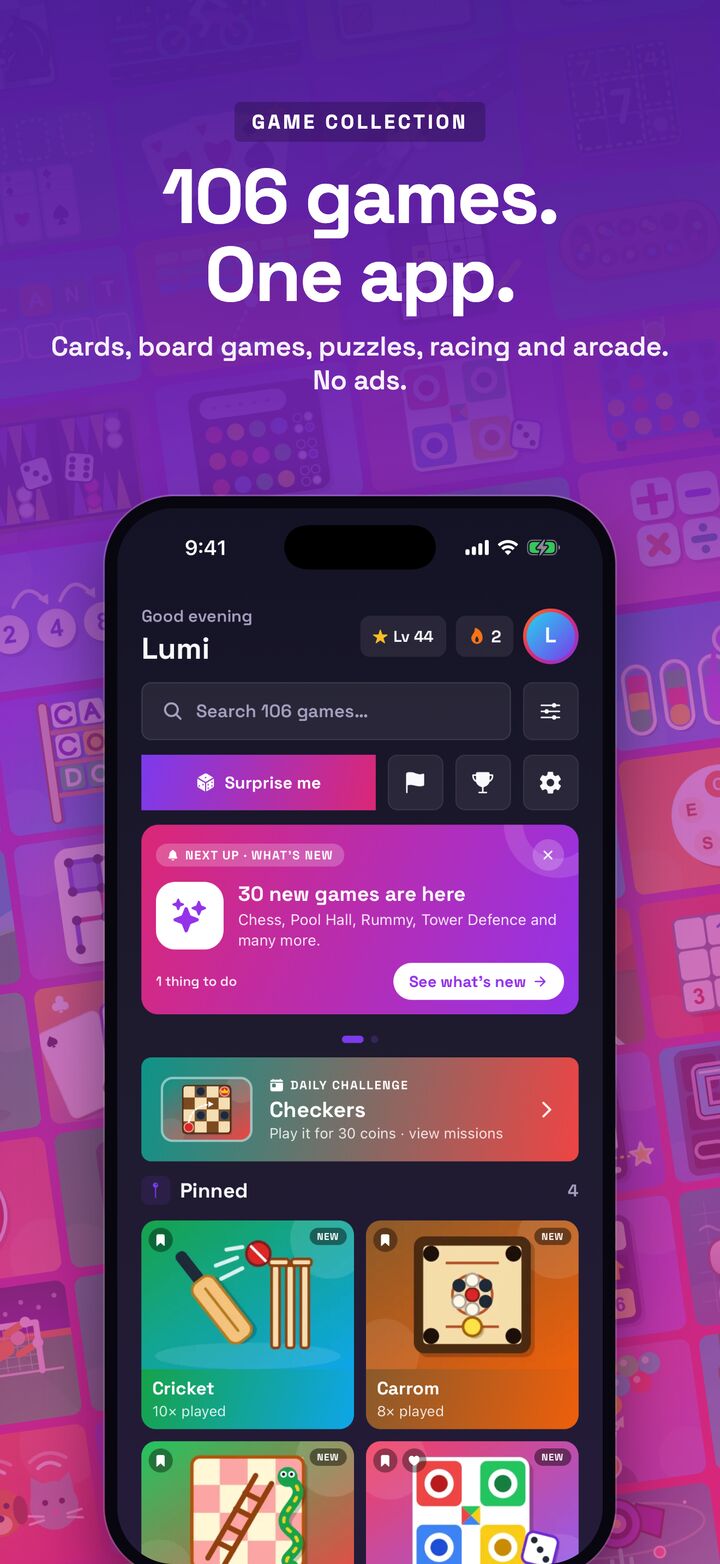
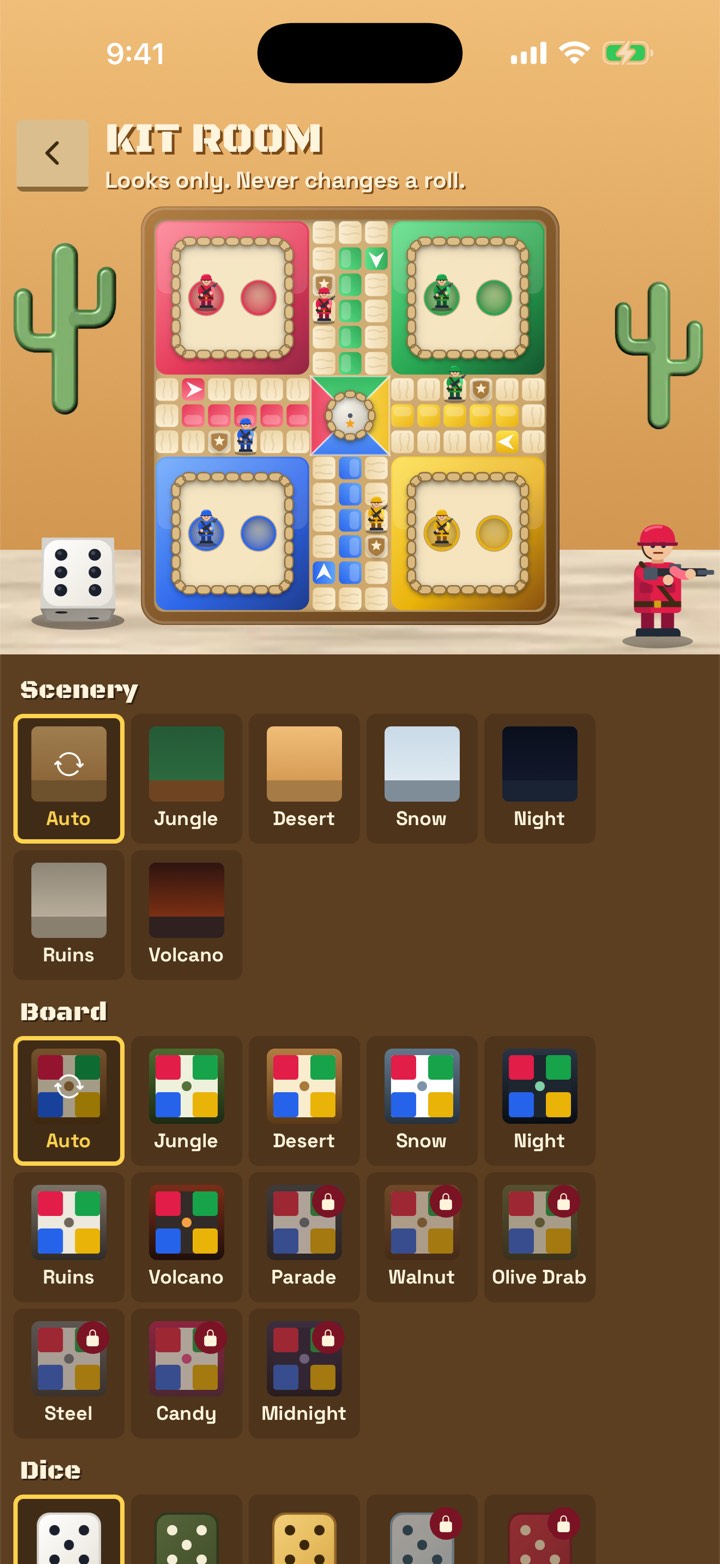
That matters for two reasons. First, the game looks and sounds like itself, not like a dozen others. Every cover in Game Collection was drawn in-house, and the battlefields in Ludo Fighters were made for that game alone. Second, when something needs fixing, the people who made it are the people who fix it. There is no waiting on someone else's tool.
You can see more of this on art and sound.
Step 1: the brief
Every project starts with three things written down: your goal, your players and where they play. We then agree what success looks like, in terms you actually care about.
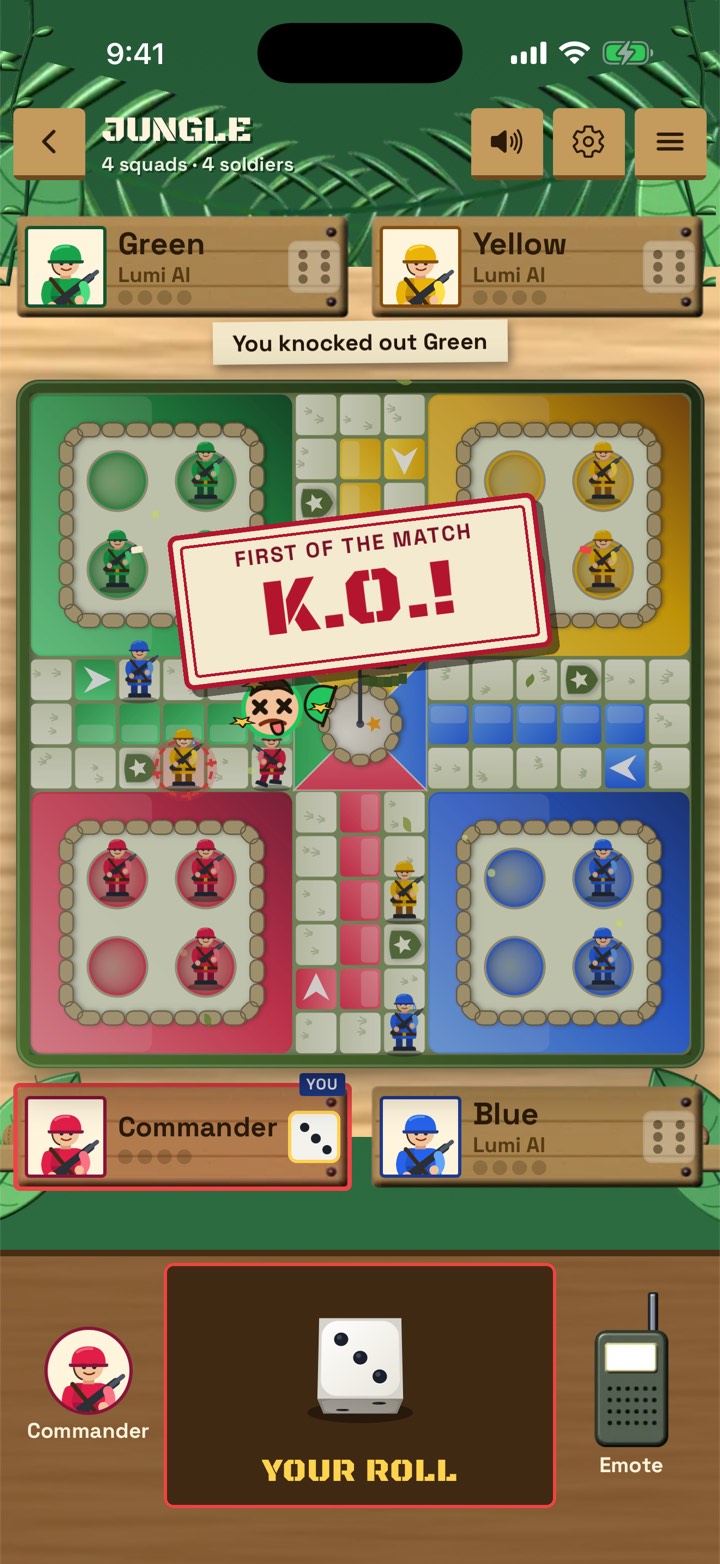
For our own games, we brief ourselves the same way. For Ludo Fighters, the brief was simple to state: Ludo, but every capture starts a short cartoon fight. Everything that followed, from the six battlefields to the five weapons, came from that one sentence.
A good brief also says who plays, on which devices and in which languages. NPL Cricket League, for example, was planned from the start to work in English and Nepali, from menus to commentary. Deciding that later would have meant redoing screens.
Step 2: a playable prototype, early
Before final art or sound, we build a rough version with real rules. It might use plain shapes for pieces and have no music at all. The point is to play it.
Prototypes settle arguments. Is a capture fight fun or does it slow the game down? Is a round the right length? Does the opponent feel fair? These questions are hard to answer on paper and easy to answer with a game in your hand.
Changing rules at this stage is cheap. Changing them after the art is drawn is not. So we push the big decisions here, on purpose.
Step 3: the build, shown as it grows
Once the core works, the full build begins: art, sound, levels, the online server, Lumi AI and the admin dashboard. For client projects, you get a new build to install on your own phone every week, with a short note on what changed and what comes next.
That weekly rhythm is the most important habit we have. Small corrections each week are far easier than a large correction at the end. Your feedback lands in the next build, so you see your notes become part of the game.
Two parts of the build deserve a mention:
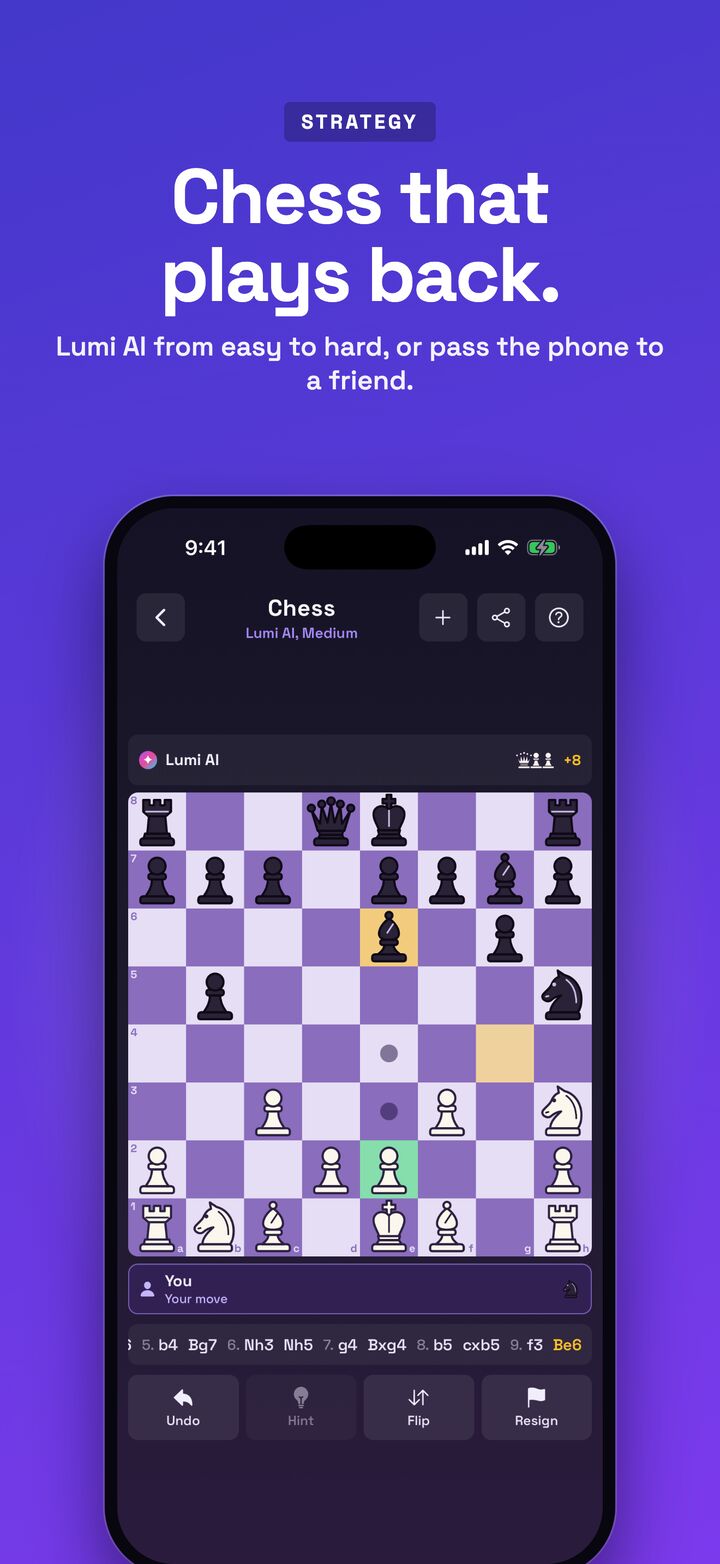
- Lumi AI. Every LacNova game has a computer opponent, so nobody is ever stuck waiting for a match. In Ludo Fighters it has five personalities, from Rookie to Commander.
- The server decides. In online play, results are decided on our servers, not on the player's phone. It keeps matches fair and makes cheating far harder. Our multiplayer page goes deeper.
Step 4: testing on real phones, then launch
Small screens, older phones and slow networks reveal problems that simulators miss. We check every screen on real devices, including the modest phones many players actually use. We test what happens when a call interrupts a match, when the signal drops, and when someone taps far faster than expected.
Then comes launch. We prepare store listings, screenshots, age ratings and privacy forms, and take the game through review on the App Store and Google Play, or put it live on the web. For clients, this can be on your accounts or ours on your behalf. Our guide on publishing on the App Store and Google Play explains what this involves.
Step 5: run and grow
A launched game is the start of a new phase, not the end of the project. Real players find edge cases no test did. Operating systems change. Players want new content and events.
So we keep going: fixes, updates, new content and events, shipped regularly. Your team sees player numbers, reports and live settings in the admin dashboard, so you are never asking us for basic information. The live ops page covers this step.
How we stay in touch
Process only works if communication does. On client projects you get:
- One shared thread for questions
- A weekly call where we play the latest build together
- A named person from the team who answers
From your side, we ask for your goal and players, your logo, colours and any characters you own, one person who can make decisions, and store accounts if the game publishes under your name.
Why this process works
The process is simple on purpose. Every step produces something real. Big decisions happen early, when they are cheap. Progress is visible every week. And the people who build the game stay with it after launch.
It is the same process behind every game we have shipped, and you can read it step by step on how we work. If you have a game in mind, start with a brief, even a short one.
Frequently asked questions
Does LacNova use outside studios or stock art?
No. We design, draw, score and build our games in-house, including the online server and admin dashboard. That is why each game has its own look and sound.
How often do clients see progress?
Every week. You get a build you can install and play on your own phone, with a short note on what changed.
Do you only make your own games?
No. We make our own games, license them, and build custom games for brands, schools, leagues, apps and publishers, all with the same process.
Who handles the store launch?
We do. Listings, screenshots, ratings, privacy forms and review are part of the work, on your accounts or ours on your behalf.