When a game app has no ads and nothing to buy, the design changes from the ground up. There is no reason to interrupt a player, no incentive to slow them down, and no currency to make confusing. Every screen exists only to make the game better to play.
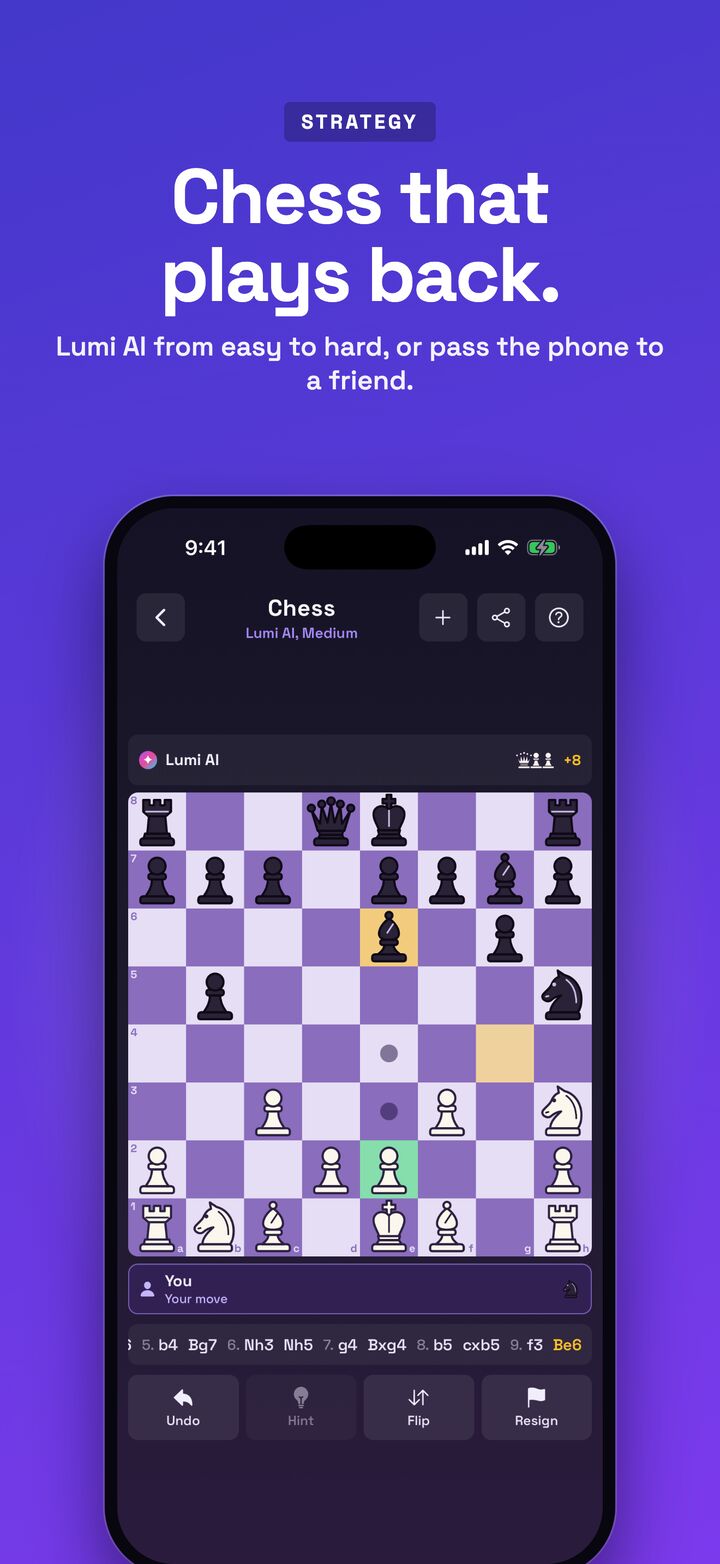
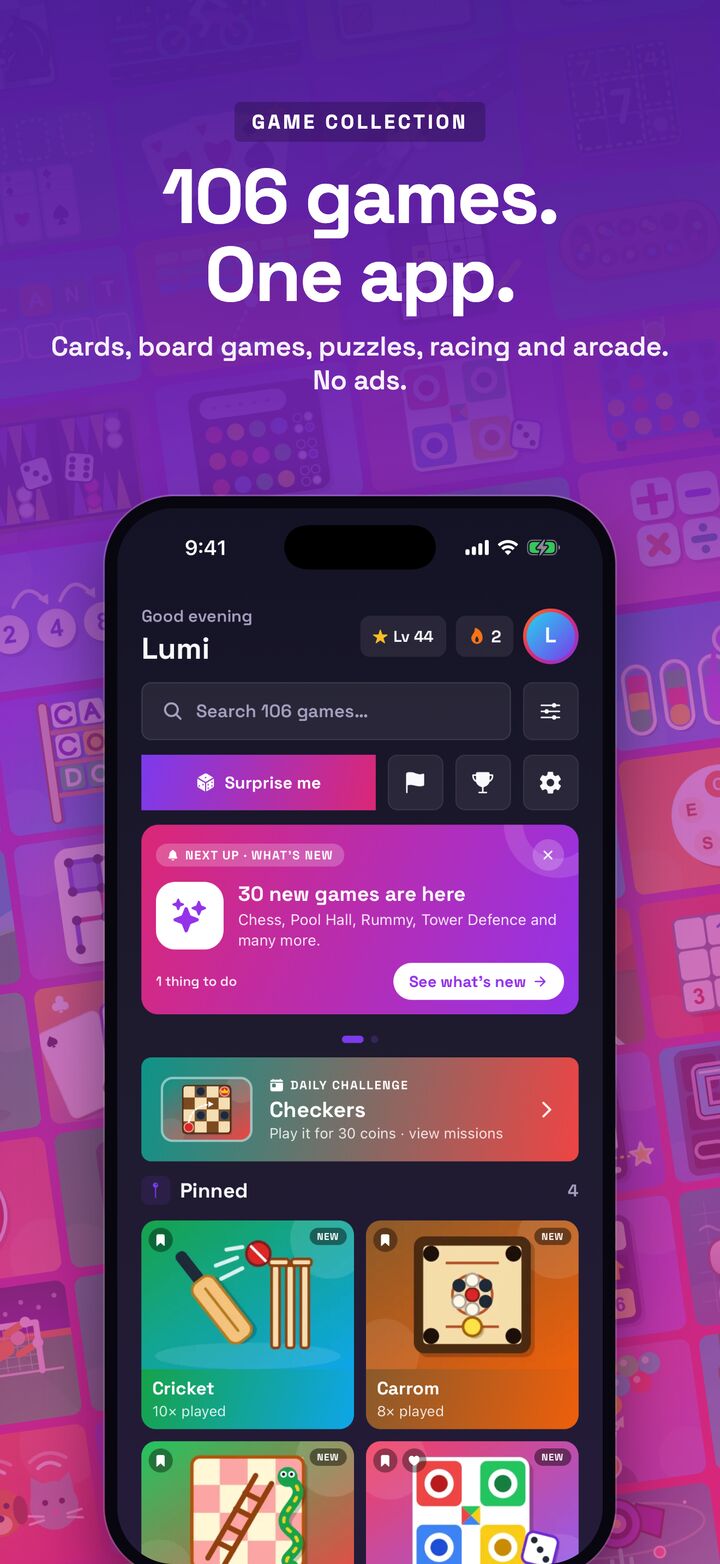
Game Collection is built this way. It holds 106 games across 13 categories, from chess and rummy to racing, tower defence and daily word games, with no ads and nothing to buy. Coins, XP and stars are for fun and cannot be bought.
Removing ads and purchases sounds like taking things away. In practice it forced us to think harder about pacing, rewards and what keeps someone coming back. Here is what we learned.
Why ads shape a game more than you think
In many games, ads are not just placed on top of the design. They shape it. A natural break between levels becomes an ad slot, so levels get shorter to create more breaks. A reward gets offered for watching a video, so rewards get scarcer to make the video worth watching. A failure screen becomes a chance to show an ad, so failure gets more frequent.
Take ads away and those pressures vanish. Levels can be as long as they need to be. Rewards can be generous. Failing can simply mean trying again. The game gets to follow what is fun rather than what fills an ad slot.
Pacing without interruptions
With no ads, the rhythm of a session belongs to the player. A game of chess ends and the next one can start immediately. A solitaire hand finishes and a new deal is one tap away.
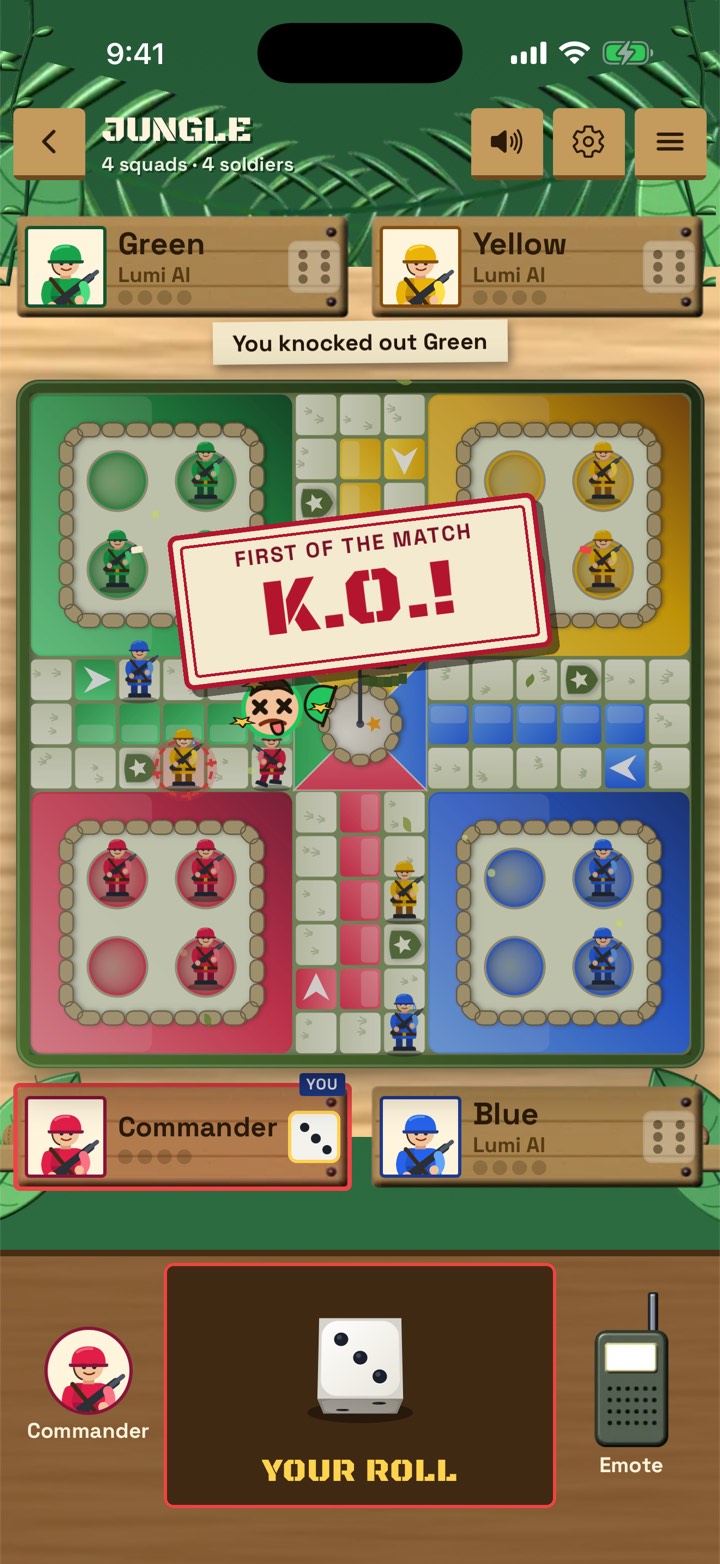
That puts more weight on transitions. Without an ad covering the gap, the moment between games is visible, so it has to feel good. We spent care on short, satisfying end screens: a clear result, a little celebration, and an obvious way to play again or pick something else. No countdowns, no waiting.
Rewards that are just for fun
Game Collection still has coins, XP and stars. The difference is what they are for. Because none of them can be bought, they never have to be rationed to push a purchase.
That changes how we design them:
- Rewards follow play. You earn them by playing well and often, not by watching something.
- They can be generous. There is no store to protect, so a good game can feel properly rewarding.
- They mean something. A high star count shows effort and skill, because nobody could buy their way to it.
- They stay simple. No exchange rates, no bundles, no special currencies hiding real prices.
Giving players a reason to return
Ads and purchases are often how a game measures and drives return visits. Without them, return visits have to come from the game itself. In Game Collection, that means:
- A daily challenge, so there is something new each day
- Missions and streaks, giving small goals across many games
- Achievements, marking milestones worth reaching
- Leaderboards, for anyone who enjoys comparing scores
These systems are what we also offer to apps that want to add play to their product, and our gamification page describes them. In a game with nothing for sale, they carry the full job of bringing people back, so they have to be genuinely enjoyable rather than nagging.
Variety as the main attraction
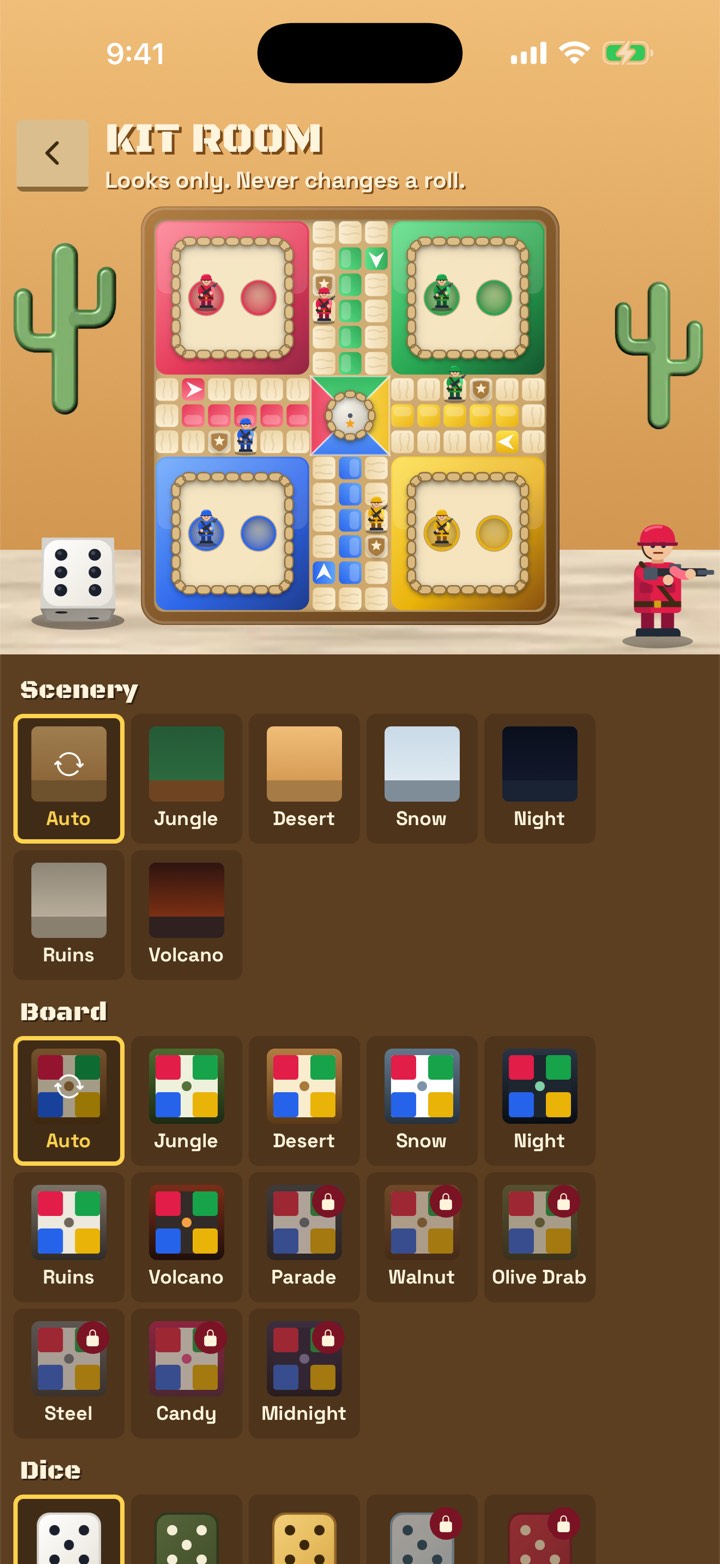
With 106 games, variety is the hook. Someone who came for chess may stay for carrom, sudoku or a quick round of racing. Grouping them into 13 categories helps people find what suits their mood, and every cover is drawn in-house so the collection feels like one app, not a pile of unrelated games.
Variety also makes the app useful in more moments: a short puzzle on a break, a longer card game at home, a sports game with a friend. Every solo game plays offline, which we explain in why offline games still matter.
Trust, especially for families
An app with no ads and nothing to buy is easier to hand to a child. There are no unexpected purchase prompts, no adverts for unsuitable products, and no links leading out of the app. Parents do not need to watch every tap.
That trust is one of the strongest reasons to design this way. It is also why games for younger players need careful thought about privacy and design, and we treat that with the same care in every game we make.
What this means for other games
Not every game needs to be ad-free with nothing to buy. Our other titles are free to play, and any paid extras there are optional and never forced, as we explain in why our games are free to play. But building Game Collection taught us lessons that apply to any game:
- Design the fun first, then decide how the game sustains itself.
- Never let a business need make the game worse to play.
- Keep rewards honest and easy to understand.
- Treat the moments between games as part of the game.
Building an ad-free game for your audience
Brands, schools and apps often want exactly this: a game that represents them well, with nothing that distracts or embarrasses. A branded game with no ads can keep attention on your product or lesson. A learning game with nothing to buy is easier for schools to approve. Any of the 106 games in Game Collection can be licensed as a standalone or branded title, or as a hand-picked bundle inside your own app.
See what is possible on license a game, or tell us what you need.
Frequently asked questions
Does Game Collection really have no ads?
Yes. Game Collection has no ads and nothing to buy. Coins, XP and stars are for fun and cannot be bought.
How does a game without ads keep players coming back?
Through the game itself: a daily challenge, missions, streaks, achievements, leaderboards and a wide variety of games across 13 categories.
Are all LacNova games free of ads and purchases?
All LacNova games are free to play, and any paid extras are optional. "No ads, nothing to buy" applies specifically to Game Collection.
Can I license an ad-free game for my brand or school?
Yes. Any of the 106 games in Game Collection can be licensed as a standalone or branded title, or as a bundle inside your own app.